
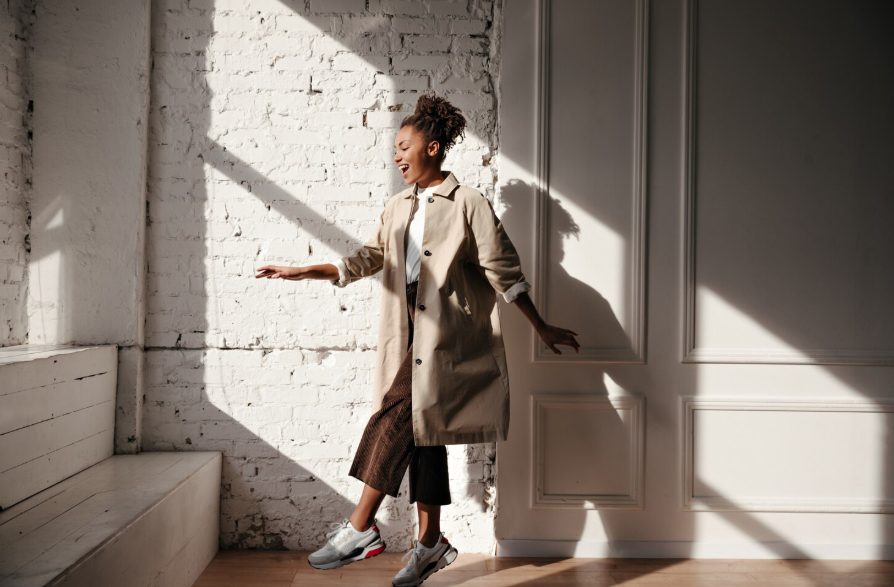
Fashion minimalism is more than a style—it is a philosophy that emphasizes simplicity, functionality, and timeless elegance. It strips away excess, focusing on clean lines, neutral colors, and versatile garments that transcend fleeting trends. Minimalism in fashion celebrates quality over quantity, creating a wardrobe that is purposeful, cohesive, and sustainable. Understanding this approach allows consumers and designers to make thoughtful, intentional choices that reflect both personal style and modern lifestyle needs.
Understanding Fashion Minimalism
Fashion minimalism prioritizes understated elegance and functional design. It rejects overly ornate clothing, loud patterns, and unnecessary embellishments in favor of refined, subtle aesthetics. Minimalist fashion is rooted in clarity and balance, allowing the wearer’s personality and confidence to shine rather than being overshadowed by the garment.
This philosophy extends beyond clothing to encompass mindful consumption. By valuing quality, longevity, and versatility, minimalism encourages consumers to build a wardrobe of essential pieces that serve multiple purposes, reducing clutter and fostering conscious fashion habits.
Key Characteristics of Minimalist Fashion
Minimalist fashion is defined by simplicity, clean silhouettes, and timeless design. Neutral color palettes—such as black, white, beige, gray, and muted earth tones—form the foundation of a minimalist wardrobe. These shades allow for effortless mixing and matching while creating a sense of cohesion and sophistication.
The focus is also on functional, well-constructed garments. Tailored cuts, durable fabrics, and thoughtful detailing enhance both comfort and style. Minimalism emphasizes fewer, higher-quality items rather than a large volume of trend-driven clothing. This approach aligns with the principles of slow fashion and sustainable style.
The Psychological Impact of Minimalism
Fashion psychology reveals that minimalist dressing can positively affect mood, confidence, and decision-making. A simplified wardrobe reduces decision fatigue, allowing individuals to focus on self-expression, creativity, and priorities beyond appearance. Wearing well-fitted, elegant pieces enhances self-esteem and promotes a sense of control and clarity.
Minimalist fashion also encourages a stronger connection to personal style. By removing distractions and focusing on essential elements, individuals develop a clearer sense of what works for their body, lifestyle, and personality. This intentionality fosters confidence and authenticity.
Building a Minimalist Wardrobe
A minimalist wardrobe is built on versatility, functionality, and quality. Essential items often include tailored blazers, simple shirts, classic trousers, timeless dresses, and quality outerwear. Accessories are kept understated and purposeful, emphasizing craftsmanship and design rather than excess.
The philosophy encourages thoughtful purchasing decisions. Each garment is chosen for durability, adaptability, and compatibility with existing wardrobe items. This approach reduces overconsumption, encourages sustainability, and allows individuals to curate a wardrobe that evolves with their needs and style preferences.
Minimalism and Sustainability
Minimalist fashion naturally supports sustainability. By focusing on high-quality, long-lasting pieces, consumers reduce waste, overproduction, and environmental impact. Timeless design also minimizes the pressure to follow short-lived trends, allowing garments to remain relevant across seasons.
Sustainable fabrics—such as organic cotton, bamboo, recycled polyester, and ethically sourced wool—are often favored in minimalist collections. The combination of durable materials and versatile design promotes responsible fashion practices while maintaining elegance and practicality.
Influence of Minimalism on Modern Fashion
Minimalism has had a profound impact on contemporary fashion, inspiring designers, brands, and consumers worldwide. Many high-end designers integrate minimalist principles into their collections, creating clean, sophisticated lines that prioritize form and function over embellishment.
In lifestyle and street fashion, minimalism encourages practical, wearable styles that fit modern routines. Its influence extends to branding, marketing, and retail, with curated collections, capsule wardrobes, and digital wardrobe planning becoming increasingly popular among conscious consumers.
Conclusion
Fashion minimalism is more than an aesthetic choice—it is a philosophy that merges elegance, functionality, and sustainability. By embracing simplicity, timeless design, and mindful consumption, minimalist fashion allows individuals to build versatile wardrobes that reflect their personality and values.
Minimalism in fashion promotes intentionality, confidence, and emotional satisfaction. It reduces clutter, encourages sustainability, and emphasizes quality over quantity, proving that elegance does not require extravagance. In a fast-paced, trend-driven industry, fashion minimalism stands as a timeless reminder that less can truly be more.